
Set-and-Forget No More: Why Your Subscribe & Save Dashboard Needs a Unit-Price Audit This Month
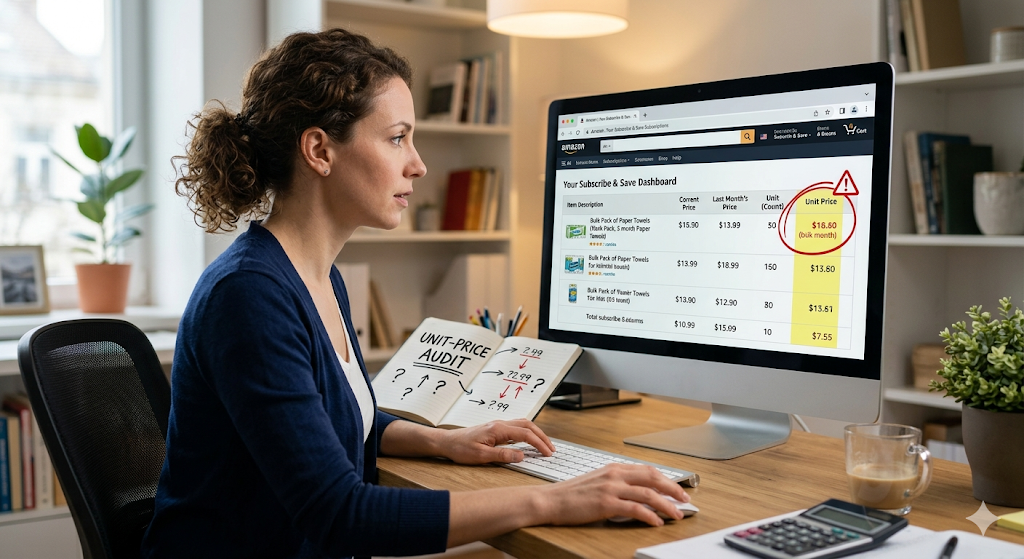
Automated subscription shopping on Amazon is marketed as the ultimate convenience: select your household essentials, lock in a 5% to 15% discount, and let the items ship automatically every month. It’s the closest thing to putting your household supply chain on autopilot.
But in today's highly volatile economic environment, automated convenience is a wealth leak.
E-commerce pricing models have shifted. Sellers now employ highly aggressive, dynamic real-time pricing algorithms that adjust item costs multiple times a day based on local inventory, competitor actions, and wholesale supply chain shifts.
If you haven't audited your automated subscription dashboard in the last 30 days, you are almost certainly paying a premium for items you think you are buying at a discount.
The Deceptive Mechanics of Subscription Discounts
The fundamental flaw of automated subscription programs is that the discount is a percentage, not a fixed dollar amount.
If you subscribe to a multi-pack of paper towels because the initial price is $20.00 (with a 15% discount reducing it to $17.00), your baseline cost per roll is highly efficient.
However, if the seller's dynamic pricing algorithm raises the base price of that item to $28.00 next month due to raw pulp shortages, your subscription discount still applies—but your net cost surges:
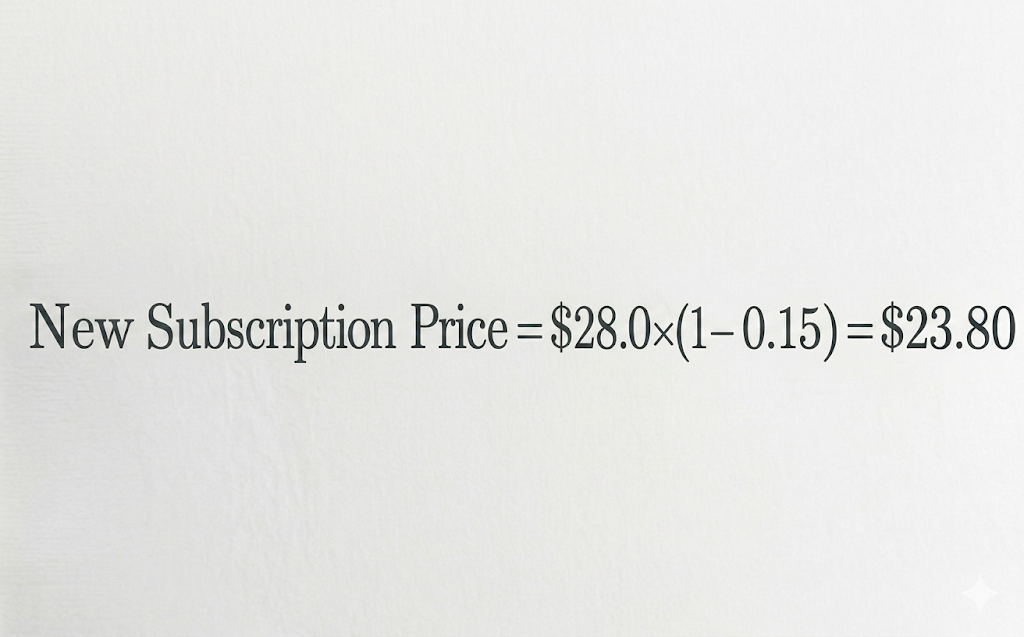
Your "discounted" price ($23.80) is now significantly higher than the original retail price of $20.00. Worse, because the item is delivered automatically, you likely won't notice the price change until the charge hits your bank statement.
Your 3-Step Subscribe & Save Audit
To protect your cash flow, run this manual unit-price audit on your subscription dashboards once a month:
- Calculate the Current Unit Price Floor: For every active subscription, use BudgetLynx to find the live cost-per-unit (ounce, count, or gram) on the open market.
- Compare Against Current Subscription Value: Calculate your subscription’s actual cost-per-unit:
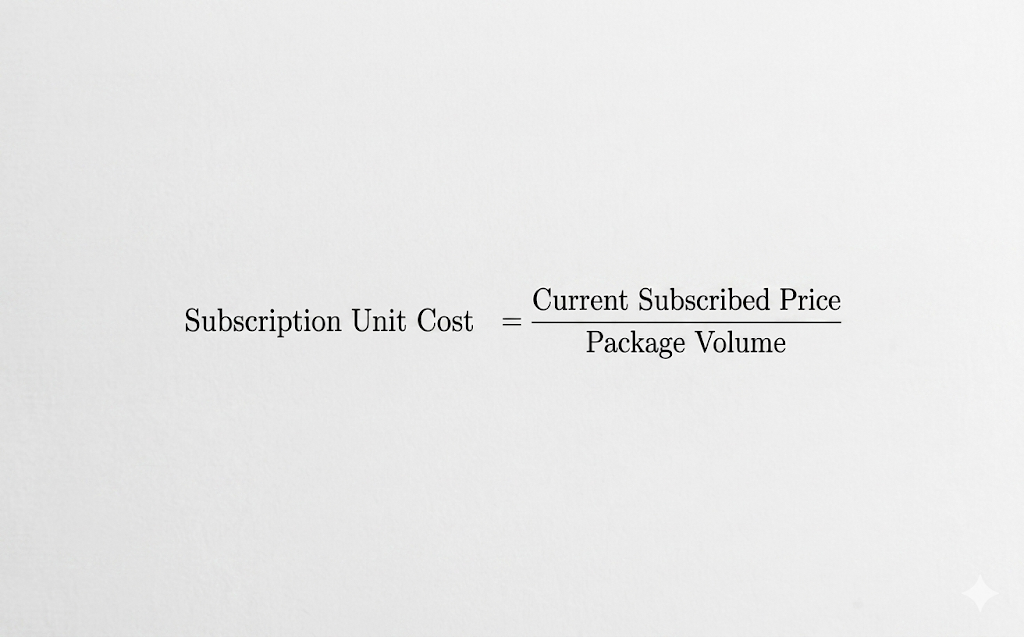
- The Swap Trigger: If the Subscription Unit Cost is higher than the open-market unit cost of a comparable brand, cancel the subscription immediately. Do not stay loyal to a brand that uses dynamic pricing to erode your savings.
Building a Resilient Household Supply Chain
Instead of letting algorithms manage your money, use BudgetLynx to track the baseline costs of your recurring necessities. By actively tracking unit costs over time, you can spot when an automated subscription has run its course and pivot to cheaper, more stable alternatives before your next delivery ship date.